Bees and the beekeeper
 

Apiary, honey and other products from South Tyrol’s beehives

Bees are a “collective” rather than individuals.

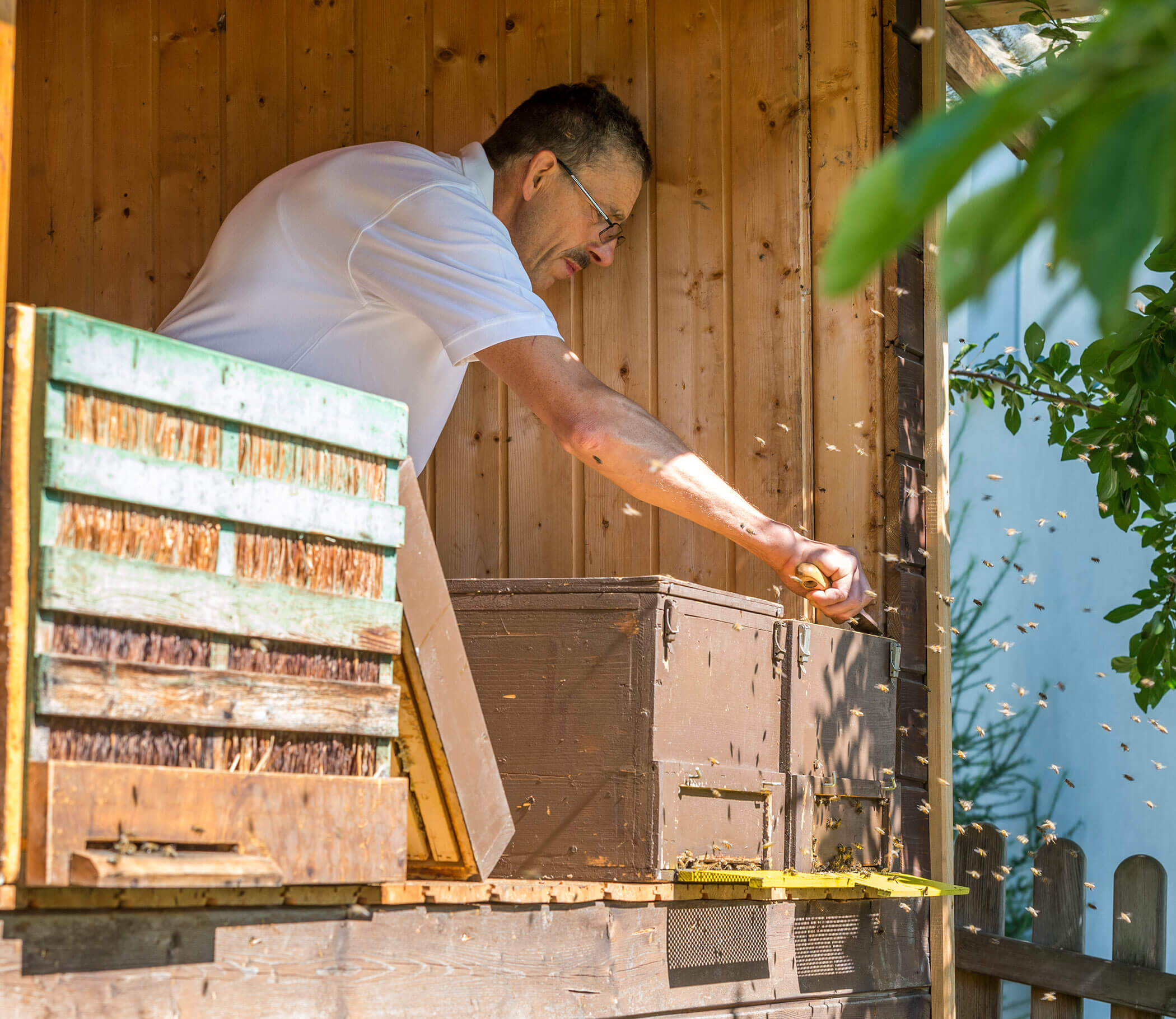
“After 50 years of nomadic beekeeping, I could write a book,” said Josef proudly. He inherited his love of bees from his father Karl, who was already an amateur beekeeper at the time. “I started with my first two hives when I was just 12 years old; I was the very youngest member of the South Tyrolean Beekeepers’ Association.”

The hotel now has a large apiary with 100 hives and about 6 million bees.

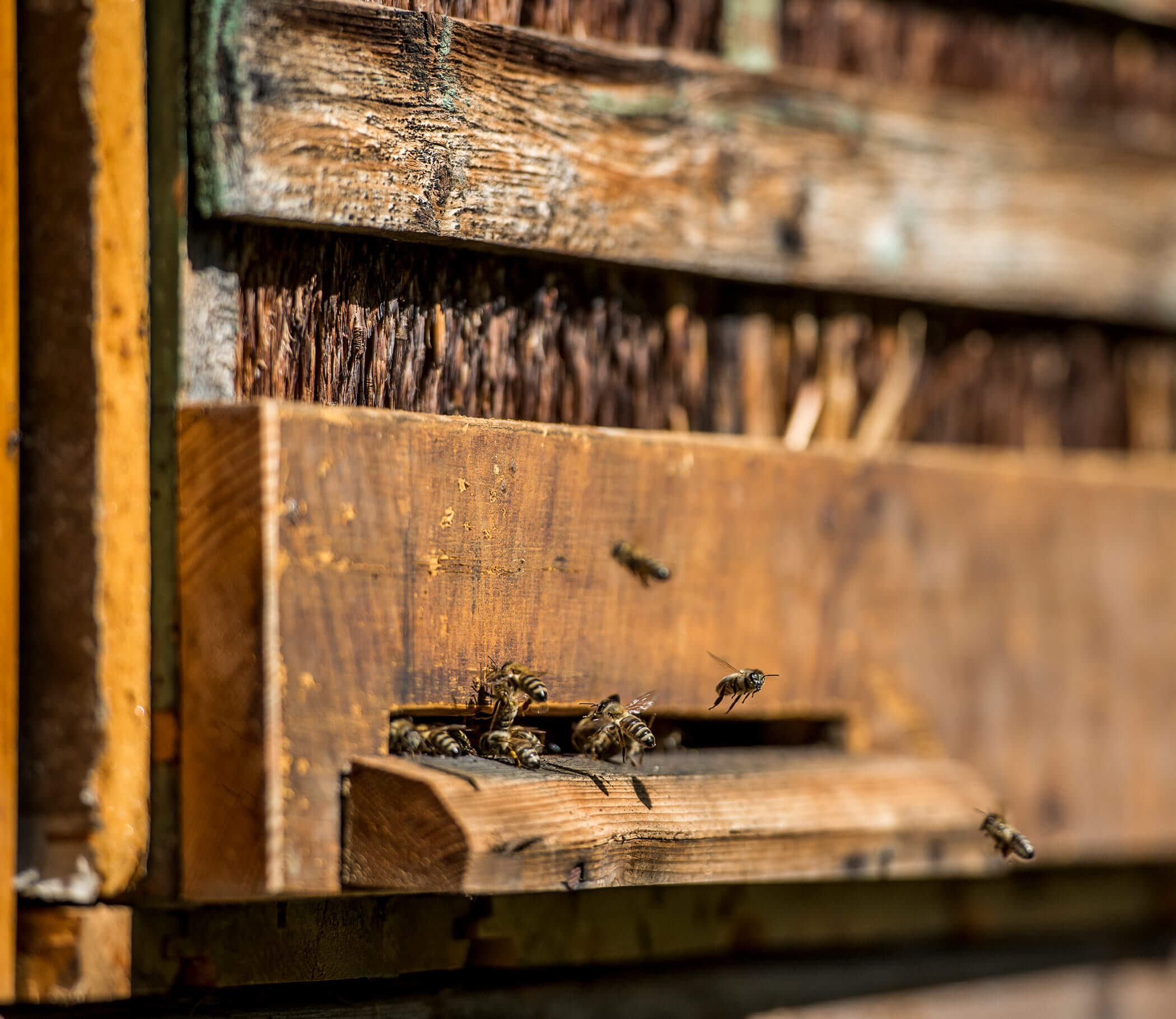
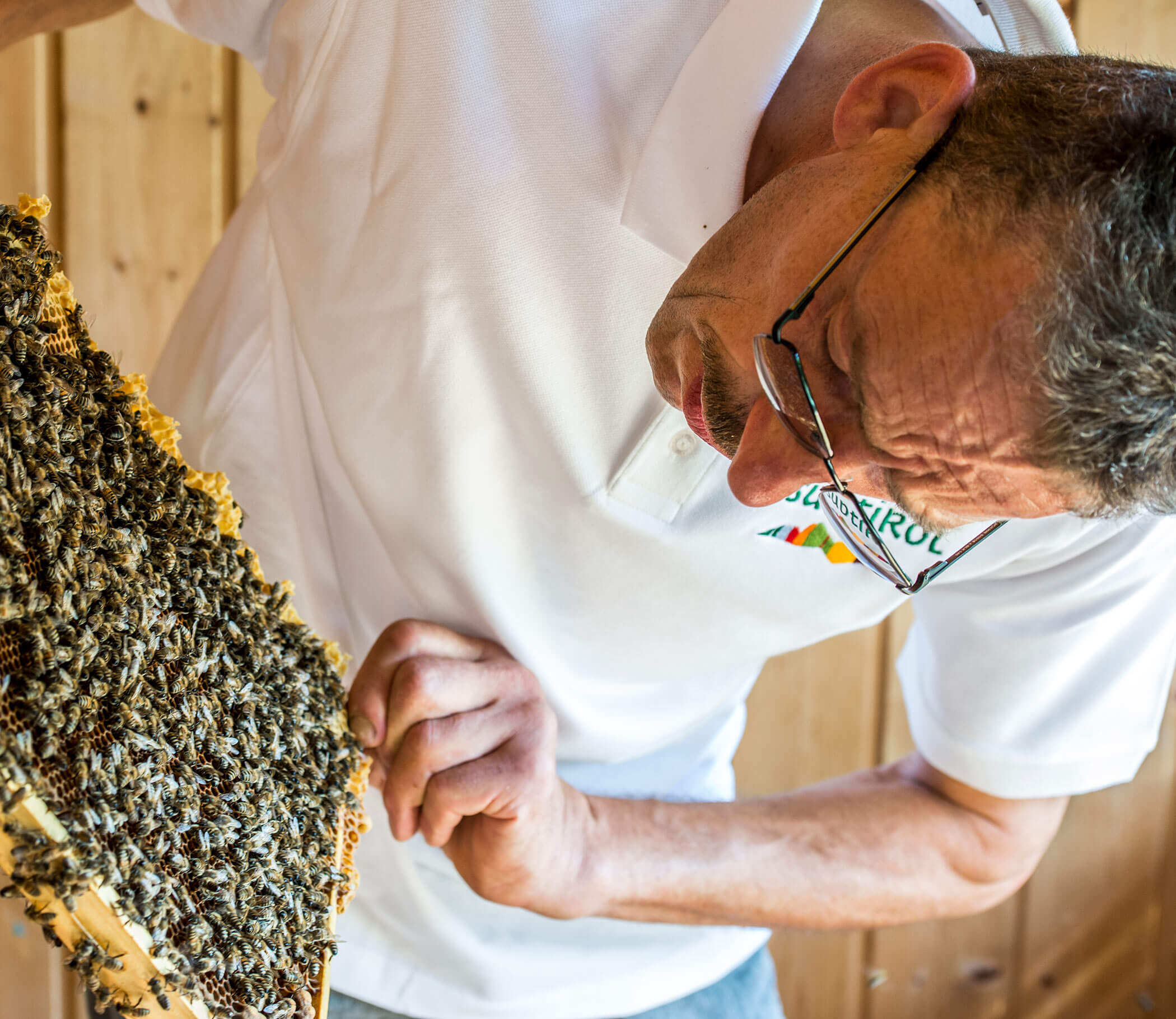
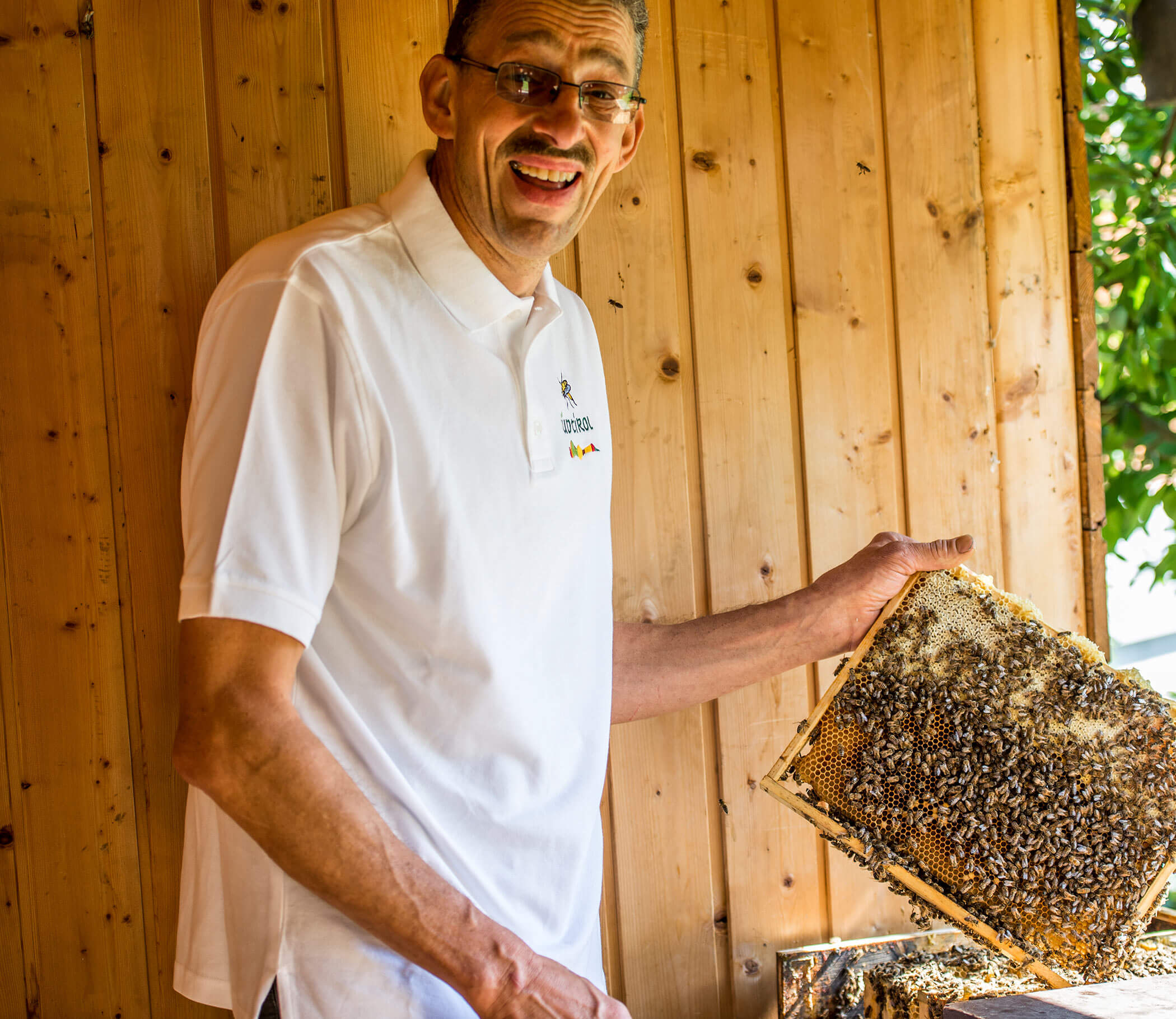
Beekeeper at work Bees by the hive Bee colony Beekeeping next to the hotel

It is mainly Josef who takes care of it, adopting a natural approach, without the use of any chemicals and with huge respect and sensitivity for these small but crucially important insects.

But Josef has managed to enthuse the rest of the family, who can’t resist the attractions of the microworld of bees: Elisabeth knows all about the nourishing and healing properties of products from the hive, and makes wax sheets, lip balms, and much more. Daughter Marion is committed to organic beekeeping, and her brother Thomas loves to help dad Josef with every aspect of beekeeping management. The partnership between bees and humans is therefore continuing into a third generation.

„If the bee disappeared off the face of the Earth,
man would only have four years left to live“

Albert Einstein

Honey and other products from the hive
"Floral" aroma
  • Apple blossom honey: hazelnut colour, with the scent of cooked apples.
  • Spring wildflower honey: intense yellow colour, distinctive, aromatic flavour with persistent sweetness.
  • Rhododendron honey: varying in colour from straw yellow to beige, and with a delicate, fruity taste.
  • Mountain and high mountain wildflower honey: amber colour, very varied aromatic flavour.
  • Acacia honey: straw yellow colour, delicate aroma with almond notes, and slight hint of vanilla.
"Resinous" aroma
  • Woodland honey: dark brown or reddish colour, intense flavour, sometimes slightly salty with a hint of malt and cane sugar.
  • Lime and chestnut honey: reddish-brown colour, very intense flavour, slightly bitter.
Fortifying
  • Propolis: taken in the form of a tincture it’s a real natural antibiotic, fighting bacterial infections and strengthening the immune system.
Tasty
  • Bee bread (fermented pollen/PERGA): has anti-ageing properties, strengthens the immune system and helps prevent tumours.
  • Energy elixir: a mixture of honey, pollen, bee bread, royal jelly and propolis. A health-giving treatment for young and old.
Nourishing
  • Our honey-based soaps, ointments and lip balms take gentle care of your body.
Pleasant
  • Beeswax and wax leaf candles release a delicate aroma.
Curative

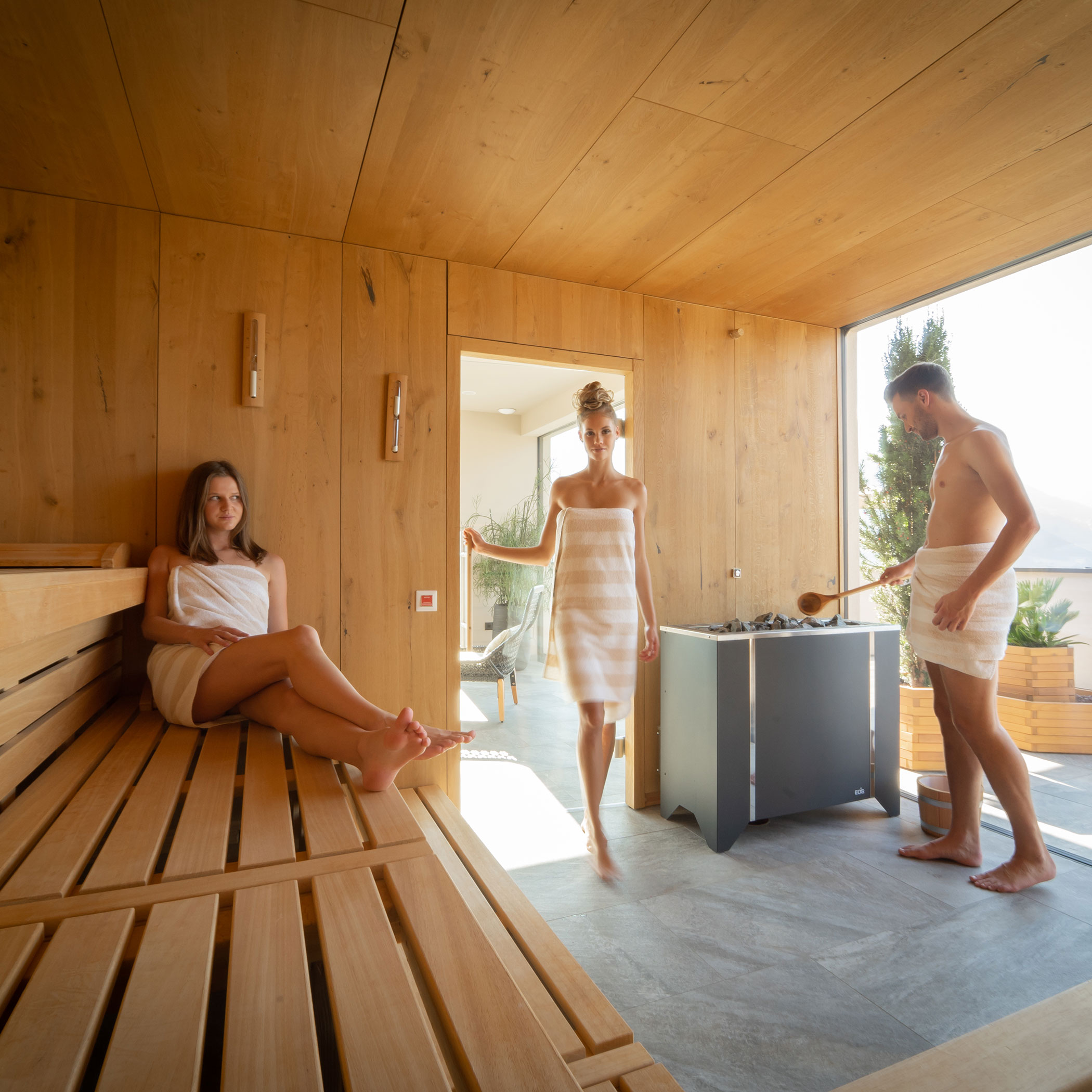
In our nearby “bee house”, we offer adults and children the chance to experience apitherapy, breathing in the air and the scents of the hive. This treatment is particularly suitable for anyone suffering from respiratory problems, asthma or hay fever, because it has a soothing and sometimes even healing effect. It is often thought that bees only produce honey, but in fact the beehive is a treasure trove of completely natural products, which have beneficial effects on every part of our bodies. For example, in our wellness area, you can experience the pleasure of our bio sauna with hive air, which offers a very special form of relaxation.

Sustainable
  • Beeswax sheets: Mother Nature also offers us an alternative to plastic, using totally natural materials such as cotton cloth, pure beeswax and coconut oil. These sheets are perfect for wrapping and storing food.
Our answers to your questions
How many bees live in the hotel’s own apiary?

Around six million bees in more than 100 hives live in the apiary of Hotel Birkenbrunn at Naz-Sciaves. They are cared for by senior host Josef, a nomadic beekeeper for over 50 years; today the apiary is in its third generation with the whole family involved.

What is the API-Wellness apitherapy at the Birkenbrunn?

It is a treatment in the nearby bee house where you breathe in the warm, aromatic air rising from the hives. Apitherapy is offered to both adults and children and can be booked on request.

What can hive air therapy help with?

People with respiratory problems, asthma or hay fever find considerable relief through hive air therapy. The air carries the aromas of honey, propolis, wax and pollen — a natural way to support your wellbeing.

Which types of honey does the apiary produce?

Floral: apple blossom, spring wildflower, rhododendron, mountain and high mountain wildflower, and acacia honey. Resinous: woodland honey and lime and chestnut honey. Alongside these come honey in the comb, propolis, bee bread and the energy elixir.

Can we buy honey and hive products at the hotel?

Yes. The honeys and hive products from the family’s own apiary are available at the hotel: honey in the comb, propolis tincture, bee bread, honey soaps, ointments, lip balms, beeswax candles and beeswax wraps.

Is the apiary run without chemicals?

Yes. Josef looks after the colonies close to nature, without chemicals and with a great deal of care. Daughter Marion is a trained organic beekeeper and son Thomas works alongside him, taking the apiary into its third generation.

Can guests see the bees up close?

Yes. The apiary is right beside the hotel, the garden hums around the wild bee tree and the bee house, and from the bio sauna you can watch the bees in the hive through a window from spring until late autumn.